A sofa is more than just a place to sit—it's the centerpiece of your living room and one of the most important furniture investments you'll make for your home. Whether you're relaxing with family, entertaining guests, reading a book, or watching your favorite movie, the sofa plays a central role in both the comfort and appearance of your living space. Choosing the right one can make your living room feel welcoming, balanced, and luxurious, while the wrong choice can leave the space feeling cramped, uncomfortable, or visually disconnected. With so many styles, sizes, fabrics, and configurations available, selecting the perfect sofa can quickly become overwhelming. A design that looks beautiful in a showroom may not suit your room's dimensions, and a trendy fabric might not be practical for your everyday lifestyle. Professional interior designers know that the best sofa isn't simply the most expensive or the most stylish—it's the one that perfectly fits your space, complements your interior design, and supports the way you live. Before making a purchase, it's important to consider factors such as room size, seating needs, layout, color palette, material durability, and overall comfort. Every decision influences how your living room functions and how cohesive the finished design feels. A thoughtfully selected sofa can even make a small room appear larger or help define different zones in an open-concept layout. In this guide, you'll learn how to choose the perfect sofa for your living room using professional interior design principles. From measuring your space to selecting the ideal fabric and style, these practical tips will help you find a sofa that combines beauty, comfort, and lasting quality for years to come.
1. Start by Measuring Your Living Room
The first step in choosing the perfect sofa has nothing to do with color, fabric, or style—it begins with accurate measurements. Many homeowners fall in love with a sofa in a showroom only to discover that it's too large for their living room or too small to create a balanced seating area. Professional interior designers always measure the space before looking at furniture because the room should determine the sofa, not the other way around. Measure the length and width of your living room, paying close attention to windows, doorways, radiators, fireplaces, built-in shelving, and walkways. These architectural features influence where the sofa can realistically be placed. It's also helpful to use painter's tape on the floor to outline the dimensions of a potential sofa. This simple technique allows you to visualize how much floor space the sofa will occupy and whether there will still be enough room to move comfortably around it. Don't forget to measure the width of doorways, hallways, elevators, and staircases. A sofa that fits perfectly inside the living room is of little use if it can't be delivered into your home. Starting with precise measurements helps you avoid costly mistakes while ensuring your living room remains spacious, functional, and visually balanced.
2. Think About How You Use Your Living Room
Every household uses the living room differently, and your sofa should reflect your daily lifestyle rather than simply following current trends. Ask yourself a few important questions before making a decision. Do you regularly host friends and family? Is the sofa mainly used for watching television, reading, or relaxing after work? Do children or pets spend time on it every day? Will someone occasionally sleep on it? The answers will guide nearly every other decision, from the size and shape of the sofa to the fabric and cushion firmness. For example, a large family may benefit from a spacious sectional with deep seating, while a smaller apartment might require a compact two- or three-seat sofa that leaves enough room for additional furniture. If entertaining is a priority, arranging multiple seating options around the sofa can create a more welcoming environment for conversation. Professional designers always prioritize function before aesthetics because a beautiful sofa that doesn't support your lifestyle will never feel like the right choice.
3. Choose the Right Sofa Size for the Room
Size is one of the most important factors in creating a balanced living room. A sofa that's too large can overwhelm the space and restrict movement, while one that's too small may make the room feel incomplete and disconnected. As a general rule, the sofa should feel proportional to the room rather than dominating it. In compact living rooms, choose streamlined designs with slimmer arms and raised legs to create a lighter visual appearance. These details allow more of the floor to remain visible, making the room feel larger and brighter. In larger living rooms, a generously sized sofa or sectional helps anchor the space and prevents the furniture arrangement from feeling scattered. Pairing a larger sofa with an area rug, coffee table, and accent chairs creates a cohesive seating area that feels intentional and inviting. Always leave enough space around the sofa for comfortable circulation. Walkways should remain open so people can move naturally throughout the room without feeling restricted. A sofa that fits the room properly creates harmony, improves comfort, and establishes the foundation for the rest of the living room design.
4. Select a Style That Matches Your Interior Design
Your sofa should complement the overall design language of your home instead of competing with it. If your interior leans toward Scandinavian or Japandi design, look for sofas with clean lines, light fabrics, and simple silhouettes. Contemporary interiors often feature low-profile sofas with minimal detailing, while traditional living rooms may benefit from rolled arms, tufted upholstery, or elegant wood accents. Modern Organic spaces pair beautifully with soft neutral fabrics, curved shapes, and natural materials, while Mid-Century Modern interiors often feature tapered wooden legs and structured forms. Rather than choosing a sofa because it's currently fashionable, think about how it will coordinate with your existing flooring, coffee table, lighting, rugs, and decorative accessories. Timeless styles generally remain attractive much longer than highly trend-driven designs. A sofa that complements the overall character of your home creates visual harmony and makes the living room feel professionally designed.
5. Pick a Comfortable Seat Depth and Cushion Firmness
A beautiful sofa should also be exceptionally comfortable. Seat depth influences how you naturally use the sofa. Deep seats are perfect for lounging, reading, or movie nights because they encourage relaxation. Shallower seats provide better posture and are often preferred for formal living rooms or homes where entertaining guests is common. Cushion firmness is equally important. Soft cushions feel cozy but may lose their shape more quickly, while firmer cushions provide better long-term support and maintain a cleaner appearance over time. Whenever possible, sit on the sofa before purchasing it. Spend several minutes testing different seating positions instead of making a quick decision based solely on appearance. Comfort is highly personal, and the sofa you choose should support your everyday routine while remaining inviting for family and visitors alike. A sofa that combines proper support with attractive design becomes a piece of furniture you'll enjoy using for many years.
6. Choose a Durable Fabric That Fits Your Lifestyle
The fabric you choose has a major impact on both the appearance and longevity of your sofa. While color often gets the most attention, upholstery material is just as important because it determines how well the sofa will handle everyday life. If your household includes children or pets, look for fabrics that resist stains and wear. Performance fabrics have become increasingly popular because they are designed to repel spills, resist fading, and stand up to frequent use without sacrificing comfort. Linen offers a relaxed, natural look that's perfect for Scandinavian, Coastal, and Modern Organic interiors, but it may wrinkle more easily. Cotton blends provide softness and versatility, while velvet creates a luxurious appearance that works beautifully in elegant contemporary spaces. Leather is another timeless choice, developing character over time while remaining durable and easy to clean. Texture also influences the room's overall atmosphere. Soft woven fabrics create warmth and comfort, while smoother materials introduce a cleaner, more tailored appearance. Rather than choosing fabric based only on appearance, think about how it will perform five or even ten years from now. A durable fabric ensures your investment continues to look beautiful despite daily use.
7. Select a Color That Will Stand the Test of Time
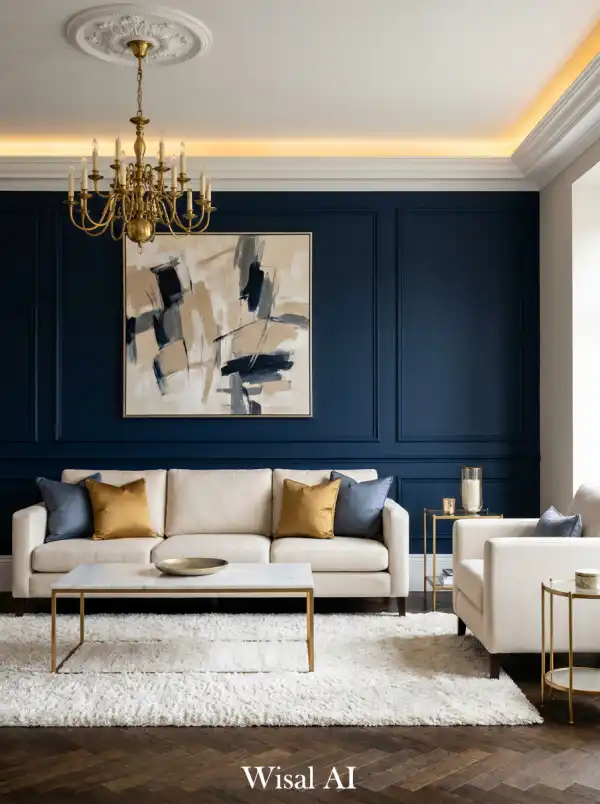
A sofa is usually one of the largest visual elements in the living room, making its color one of the most important design decisions you'll make. Although bold colors can be exciting, professional interior designers often recommend timeless shades that adapt easily as your décor evolves. Soft beige, warm white, greige, taupe, light gray, olive, and muted earth tones remain popular because they coordinate with a wide variety of rugs, artwork, cushions, and accent furniture. Choosing a neutral sofa doesn't mean the room has to feel boring. In fact, it gives you the freedom to introduce personality through throw pillows, blankets, artwork, and seasonal accessories without replacing the sofa itself. If you love darker interiors, navy blue, charcoal gray, or deep forest green can create a sophisticated focal point while still maintaining a timeless appeal. The best sofa color is one that complements your home's overall palette and continues to feel fresh as trends change over time.
8. Pay Attention to Sofa Legs and Base Design
Many homeowners focus entirely on upholstery while overlooking the sofa's base, yet this small detail significantly affects how the room feels. Sofas with exposed legs create an open and airy appearance because more of the floor remains visible. This makes smaller living rooms feel larger and brighter. On the other hand, sofas that sit directly on the floor or have concealed bases often appear heavier and more substantial, making them better suited to spacious rooms with high ceilings. Wooden legs add warmth and natural texture, while matte black metal legs create a clean contemporary aesthetic. The leg design should also coordinate with other furniture pieces, such as coffee tables, side tables, and shelving, helping establish a cohesive look throughout the room. Small details like these contribute to the overall visual balance that distinguishes professionally designed interiors.
9. Think About the Shape of Your Sofa
The shape of your sofa influences both comfort and the overall style of your living room. Straight sofas with clean lines create a structured, modern appearance and fit easily into most layouts. Curved sofas introduce softness and elegance, encouraging conversation while becoming an architectural feature within the room. Sectional sofas maximize seating and work particularly well in open-concept homes where they help define separate living zones. Modular sofas offer exceptional flexibility because individual sections can be rearranged as your needs change. Before choosing a shape, think about how people naturally move through the room and how the sofa will interact with surrounding furniture. The right shape enhances both functionality and visual flow without interrupting circulation.
10. Balance the Sofa with the Rest of the Furniture
A sofa should never feel isolated. Instead, it should become part of a carefully planned furniture arrangement that encourages comfort and conversation. Coffee tables, side tables, accent chairs, rugs, floor lamps, and storage units should all feel proportional to the sofa. An oversized coffee table paired with a compact sofa creates imbalance, while tiny side tables beside a large sectional appear insignificant. Professional designers pay close attention to spacing as well. Furniture should be close enough for comfortable interaction without making the room feel crowded. Maintaining balanced proportions allows every piece to contribute to a harmonious and functional living space.
11. Layer the Sofa with Textures
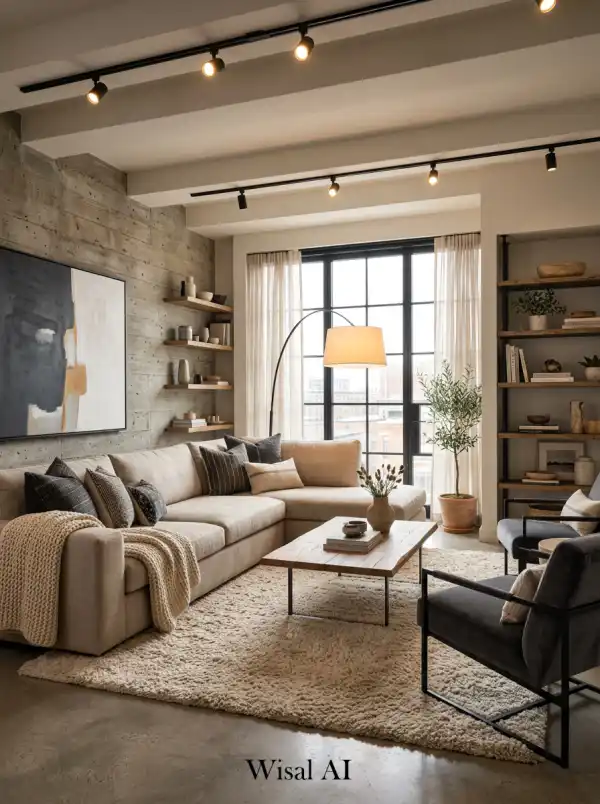
Even the most beautiful sofa can appear flat if it lacks texture. Layering introduces warmth, depth, and personality without requiring major changes. Combine linen cushions with knitted throws, boucle pillows, velvet accents, or woven blankets to create visual interest. Using several complementary textures rather than matching everything exactly makes the sofa feel inviting and lived-in. Neutral sofas particularly benefit from layered textures because they create richness while maintaining a calm color palette. Professional interior designers often rely on texture rather than bold color to achieve luxurious results.
12. Consider Natural Light Before Choosing Upholstery
Lighting changes the appearance of fabric more than many homeowners realize. A sofa that appears warm beige in a showroom may look cooler inside a north-facing room, while gray upholstery can appear almost blue under certain lighting conditions. Observe how much natural light your living room receives throughout the day. Bright rooms can comfortably accommodate darker fabrics, while smaller spaces with limited daylight often benefit from lighter upholstery that reflects available light. Whenever possible, request fabric samples and view them inside your home before making a final decision. Natural light should always influence color selection.
13. Invest in Quality Construction
A sofa may look beautiful on the outside, but its internal construction determines how well it performs over time. Look for hardwood frames, high-density foam cushions, reinforced joints, and durable suspension systems. These hidden components directly affect comfort, durability, and long-term value. A well-constructed sofa maintains its shape for many years, while poorly built furniture may sag or become uncomfortable after relatively little use. Although quality sofas often require a higher initial investment, they usually cost less in the long run because they don't need frequent replacement. Think of your sofa as a long-term investment rather than a temporary purchase.
14. Leave Enough Space Around the Sofa
Even the perfect sofa can make a room feel uncomfortable if it's positioned too close to surrounding furniture. Allow adequate space for people to walk naturally around the seating area. Coffee tables should be close enough for convenience without restricting movement, while side tables should remain easily accessible from every seat. Avoid pushing every piece of furniture directly against the walls. Sometimes floating the sofa slightly within the room creates a more balanced and intimate arrangement. Thoughtful spacing improves both comfort and visual harmony.
15. Choose a Sofa You'll Love for Years
Trends come and go, but a quality sofa often remains part of your home for a decade or longer. Rather than purchasing something because it's currently popular on social media, choose a design that genuinely reflects your personal style and everyday needs. Ask yourself whether you'll still appreciate the sofa five or ten years from now. Timeless silhouettes, durable fabrics, neutral colors, and quality craftsmanship consistently outperform short-lived design trends. The best sofa isn't simply the most fashionable one it's the one that continues to provide comfort, beauty, and functionality throughout every stage of your life. When you make thoughtful decisions from the beginning, your sofa becomes the foundation of a living room that feels welcoming, elegant, and effortlessly timeless.
Conclusion
Choosing the perfect sofa is about much more than selecting a beautiful piece of furniture. It requires balancing comfort, proportion, durability, style, and functionality to create a living room that supports your daily lifestyle while reflecting your personal taste. From measuring your space and selecting the right size to choosing high-quality upholstery and timeless colors, every decision contributes to the overall harmony of the room. A thoughtfully chosen sofa becomes the centerpiece that anchors your living room and connects every surrounding element, including rugs, coffee tables, lighting, artwork, and decorative accessories. Investing in quality construction and a versatile design ensures your sofa remains comfortable and stylish for many years, even as other parts of your décor evolve. Remember that the most successful living rooms are designed around how people actually live. By focusing on long-term comfort, balanced proportions, and timeless style rather than short-lived trends, you can choose a sofa that transforms your living room into a welcoming space for relaxing, entertaining, and creating lasting memories.
FAQs
1. What size sofa is best for a living room?
The best size depends on your room dimensions. The sofa should feel proportional to the space while leaving comfortable walkways around the seating area.
2. Which sofa fabric is the most durable?
Performance fabrics, leather, and high-quality woven upholstery are among the most durable options for everyday use.
3. Should I choose a neutral or bold sofa color?
Neutral colors offer greater flexibility and timeless appeal, while bold colors work best if they complement your home's overall design palette.
4. Are sectional sofas better than standard sofas?
Sectionals provide more seating and work well in larger or open-concept spaces, while standard sofas are often more versatile in smaller living rooms.
5. How can I make my sofa look more luxurious?
Layer it with high-quality cushions, textured throws, coordinated accessories, and place it on a properly sized area rug.
6. How long should a quality sofa last?
A well-built sofa with a hardwood frame and durable upholstery can typically last 10–15 years or even longer with proper care.